Engineering
The Ultimate Guide to PostgreSQL Data Change Tracking
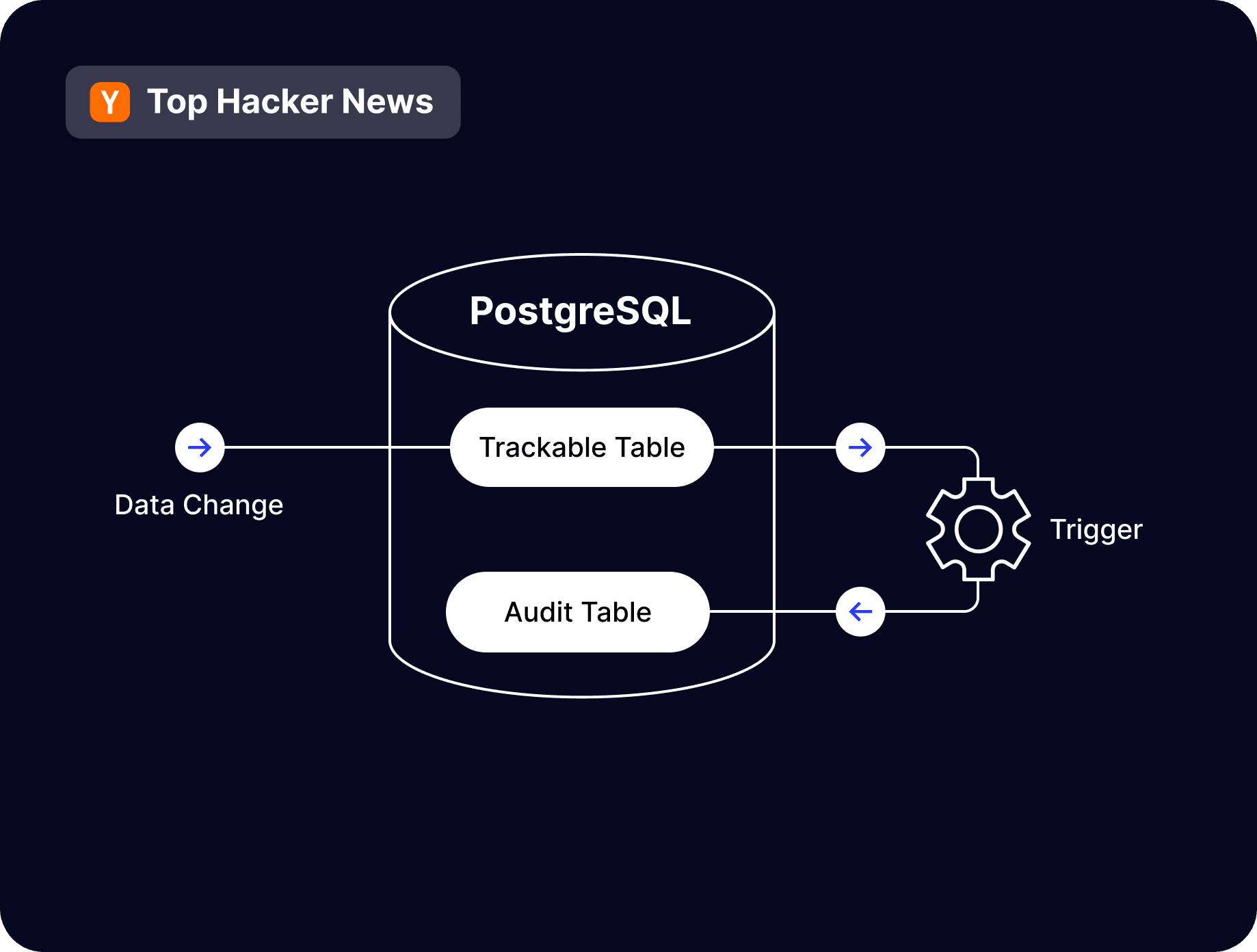
Explore five methods of data change tracking in PostgreSQL.
Built using firsthand insights from top tech companies






Start temporary recorded sessions from your CLI and connect with your existing tools.
$ curl -fsSL https://pgstack.io/install.sh | bash

$ pgstack auth login

$ pgstack access start --env production --duration 1h --read-only

Reason for access:
ENG-142 Investigate delayed orders

Session started. Connect using this temporary URL:
postgresql://session_7a2f9c4e1b83:[email protected]:5432/dbTrack row-level data changes reliably without the engineering complexity and costly infrastructure.
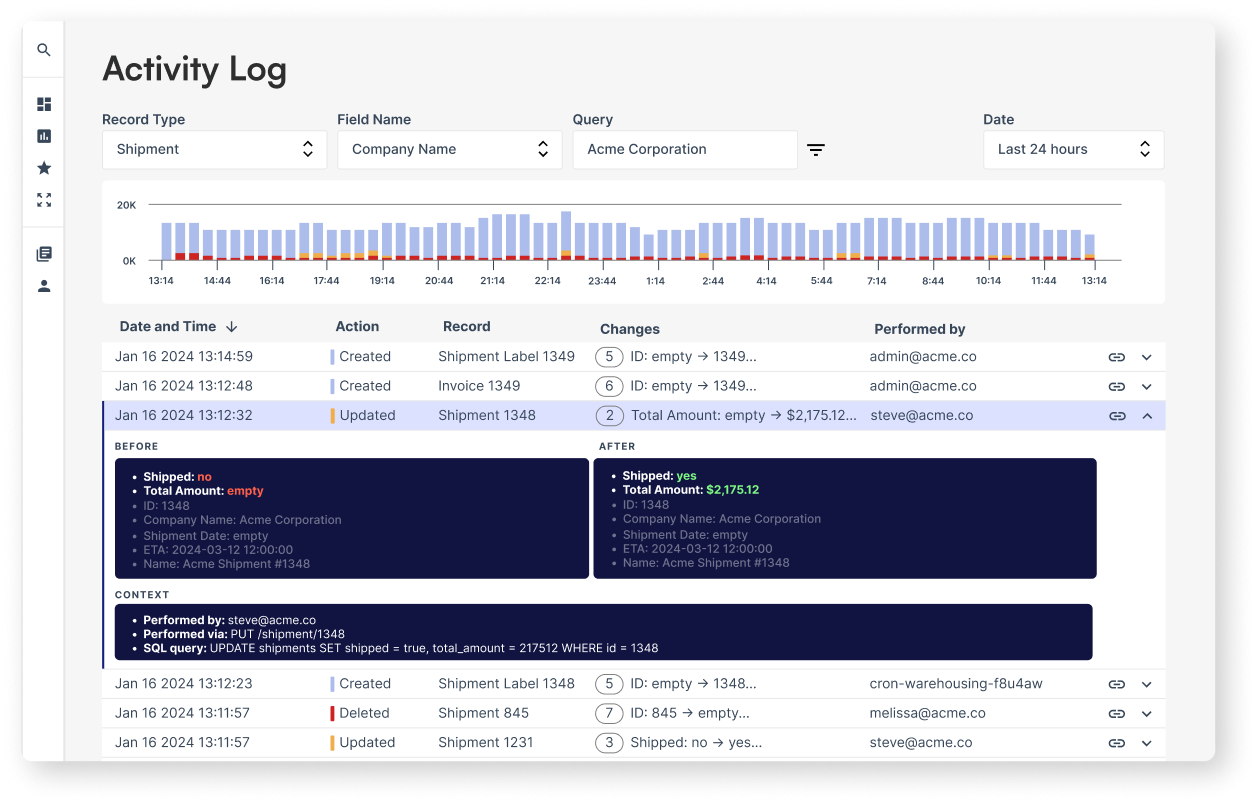
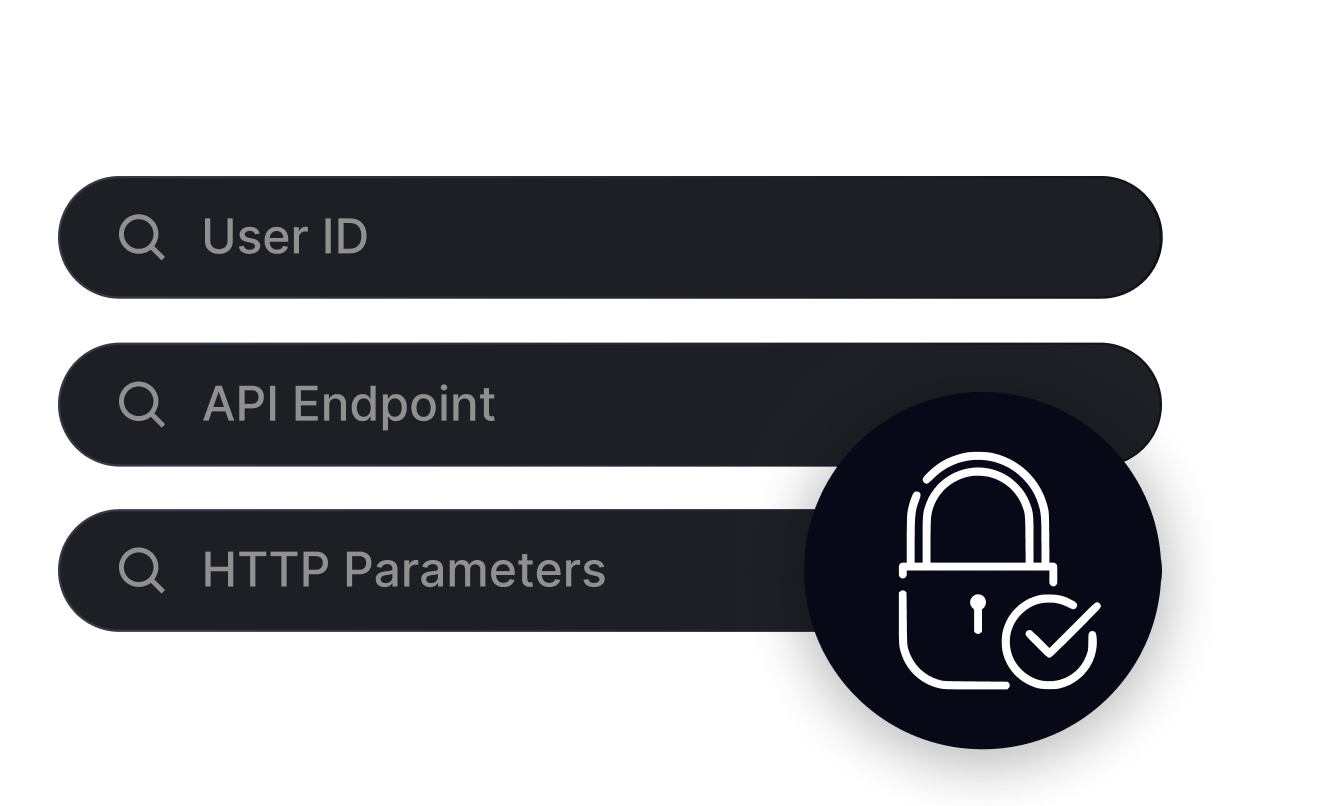
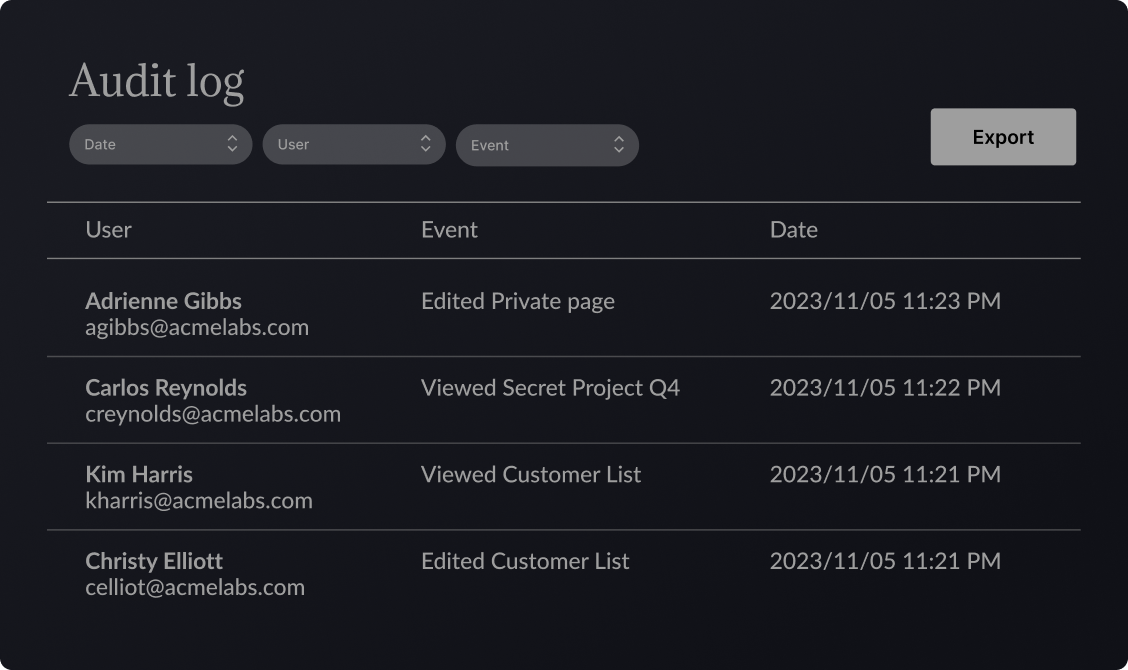
Give your team controlled production access and a reliable history of data changes, with the infrastructure managed for you.
Keep your Postgres in place. Connect PgStack for temporary access and automatic audit trails using the database tools you already know.
Start simply and scale with your workload without provisioning servers, managing clusters, maintaining storage, monitoring infrastructure, or installing updates.
Protect credentials and data with encryption, tenant isolation, configurable network access, and compliance-ready controls.

“This was what I was looking for and would've saved us so many hours building and maintaining internal tooling.”


“PgStack has been a game-changer for us!! We’re not in the business of tracking data changes and are now able to concentrate fully on our core logistics product.”


“Data change tracking has been a painpoint in the Node community for as long as I can remember. Making it so easy to integrate with Prisma and TypeORM is a huge deal.”


“The ability to quickly visualize modifications and access a comprehensive audit trail has helped us tremendously when debugging data integrity issues. PgStack is indispensable.”


“PgStack gives us confidence that any database mishaps can be recovered from. The team's fast response times to customer feature requests is just the cherry on top”

“We use Prisma in Next.js and PgStack has saved us so many hours setting up audit logs and history tables — by far the cleanest and fastest solution out there!”


“The PgStack team has been amazing and responds ridiculously fast to requests. During the Christmas break, they were able to migrate us to a secure tunnel last minute due to an external security audit.”

“This was what I was looking for and would've saved us so many hours building and maintaining internal tooling.”
“PgStack has been a game-changer for us!! We’re not in the business of tracking data changes and are now able to concentrate fully on our core logistics product.”
“Data change tracking has been a painpoint in the Node community for as long as I can remember. Making it so easy to integrate with Prisma and TypeORM is a huge deal.”
“The ability to quickly visualize modifications and access a comprehensive audit trail has helped us tremendously when debugging data integrity issues. PgStack is indispensable.”
“PgStack gives us confidence that any database mishaps can be recovered from. The team's fast response times to customer feature requests is just the cherry on top”
“We use Prisma in Next.js and PgStack has saved us so many hours setting up audit logs and history tables — by far the cleanest and fastest solution out there!”
“The PgStack team has been amazing and responds ridiculously fast to requests. During the Christmas break, they were able to migrate us to a secure tunnel last minute due to an external security audit.”
Engineering
Explore five methods of data change tracking in PostgreSQL.
Case Study
How KLog replaced a complex internal data change tracking system with PgStack Audit (previously Bemi), saving $200,000 in engineering resources.
Engineering
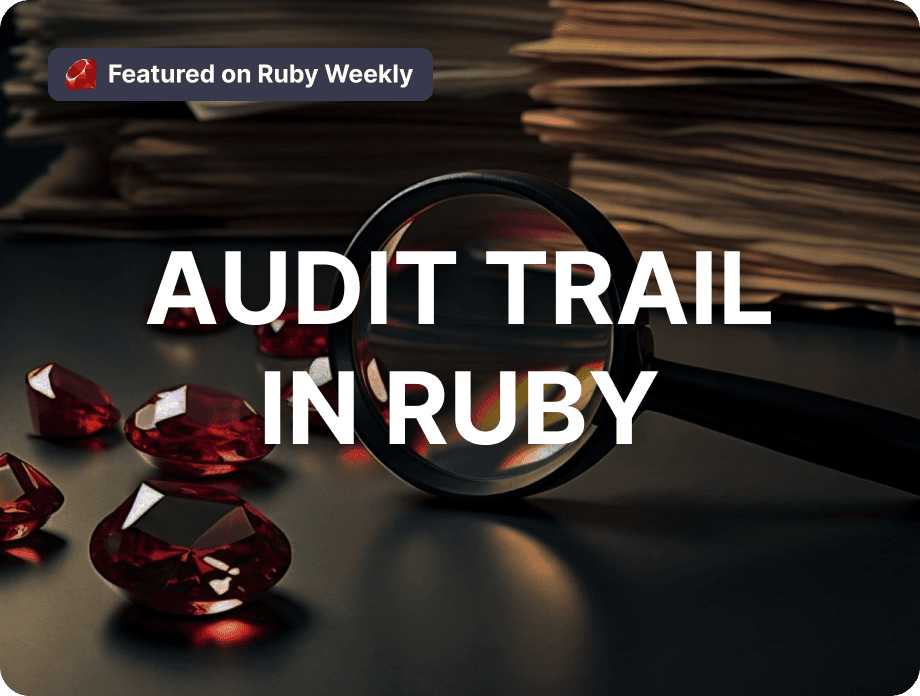
The Ruby ecosystem offers a wide range of tools for building an audit trail, each with its pros and cons. So, which one is the best choice?

Engineering
Discover the critical mistakes and lessons learned from using soft deletes in production systems. This blog post explores the complexities, data integrity issues, and alternative solutions to managing deleted data effectively.

 SOC 2 Type II Certified
 HIPAA Compliant